Loading…
Serving Colton, CA and surrounding areas. (909) 679-6575
Colton Concrete Company is a licensed concrete contractor serving Moreno Valley, CA, with slab foundation building, driveway replacement, patio construction, and concrete flatwork. Most Moreno Valley homes were built between 1980 and 2005 on clay soils that move with the seasons - and that movement is why concrete work here requires a contractor who understands local ground conditions. We hold a valid California C-8 Concrete Contractor license and respond to all new requests within 1 business day.
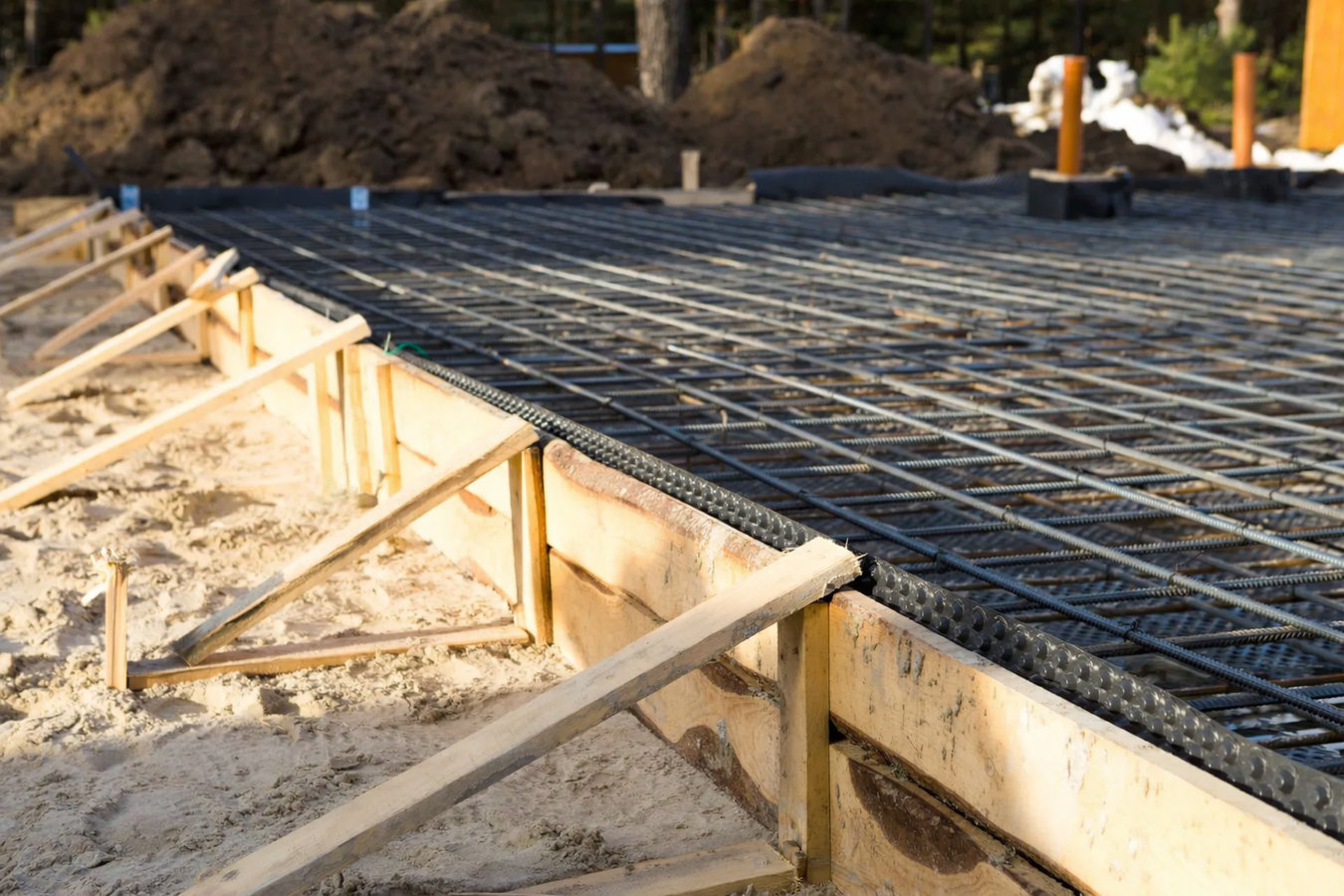
Moreno Valley homeowners adding an ADU, detached garage, or outbuilding need a slab designed for the clay-heavy soils and seismic requirements that apply in this city. The newer Rancho Belago neighborhoods and the older Sunnymead corridor both sit on ground that moves seasonally, and a foundation that does not account for that will show stress cracks within a few years. See our slab foundation building service for a full walkthrough of the process from site assessment to permit sign-off.
Most Moreno Valley homes have concrete driveways from the 1980s through early 2000s that are now at or past their expected service life. Clay soil movement and the intense UV exposure at this inland elevation push concrete through its degradation cycle faster than in coastal cities - a cracked, heaved driveway in Moreno Valley rarely stays patchable for long before full replacement becomes the cleaner option.
Moreno Valley's warm climate means outdoor living space is usable for most of the year, and a concrete patio is one of the highest-return backyard improvements a homeowner can make here. Proper drainage slope is critical on Moreno Valley lots - the short, heavy winter rain events the city gets can send water toward a foundation if the patio was not poured with the right grade.
Footing depth and rebar sizing in Moreno Valley need to account for both clay soil expansion and the seismic loads from the regional fault systems. A footing designed for a different soil profile will shift under Inland Empire conditions - matching the footing specification to what is actually on your lot is what separates a stable structure from one that starts moving within a decade.
Sidewalks and walkways in Moreno Valley take a beating from the freeze-thaw cycling that happens a few times each winter and from the expanding clay underneath. The City of Moreno Valley also has standards for public-adjacent flatwork, and any work near the curb or right-of-way requires coordination with the city to stay compliant.
Properties near the base of the San Bernardino Mountains on Moreno Valley's north side deal with slope drainage that flat central-city lots do not. A reinforced concrete retaining wall holds grades stable and prevents the soil movement that erodes adjacent flatwork, especially after the heavy rain events that periodically hit this area in winter.
Moreno Valley is one of Riverside County's largest cities, with around 210,000 residents and a housing stock built almost entirely during the rapid growth of the 1980s and 1990s. That means most homes in the city are single-family tract houses, 20 to 45 years old, sitting on concrete slabs that were poured to the construction standards of their era. Those slabs have been through decades of expansive clay soil cycling - swelling with winter rain, shrinking back in the summer heat that regularly exceeds 100 degrees - and many of them are showing it. Cracked driveways, heaved walkways, and foundations that no longer sit perfectly level are common across neighborhoods from the older Sunnymead corridor to the newer streets in Rancho Belago.
The climate compounds the soil problem in Moreno Valley in ways that do not apply to coastal cities. Summer temperatures above 100 degrees are routine, and fresh concrete that is not properly managed in that heat loses surface moisture before the deeper layers have fully cured - leading to surface cracking that shows up within the first year. Winters bring occasional overnight frost, which adds a freeze-thaw component to the stress on any exposed concrete. Santa Ana wind events in fall and early winter can gust over 50 mph and strip caulk and sealant from surfaces. A concrete contractor working in Moreno Valley needs to understand the soil, the climate, and the permit requirements the City of Moreno Valley applies - and adjust both scheduling and materials accordingly.
We pull permits through the City of Moreno Valley Community Development Department for foundation and flatwork projects that require city review. We are familiar with the inspection stages Moreno Valley requires for slab and foundation work - knowing when to schedule the pre-pour inspection is the detail that keeps a project from sitting in a hold status after prep work is already done.
We work across all of Moreno Valley, from the older neighborhoods near March Air Reserve Base on the west side to the newer streets in Rancho Belago out east. The west-side homes built in the late 1970s and 1980s often have original concrete flatwork that has been through enough seasonal cycles to be well past patchable - demo and base evaluation come first on those jobs. The newer subdivisions in the east part of the city are generally in better shape structurally but still deal with the same clay soil expansion that affects every part of the Inland Empire.
Our work extends across the region. We regularly serve Corona, which sits to the west and has a similar mix of 1980s and 1990s tract homes on clay soil. We also work frequently in Riverside, directly to the northwest, where the housing stock spans a broader range of ages and soil conditions.
Reach out by phone or through our contact form and we will reply within 1 business day. We ask a few basic questions about your project - what you are building or replacing, the approximate size, and your property location in Moreno Valley - before scheduling a free on-site visit.
We visit your property, assess the ground conditions and access, and provide a written estimate that breaks out labor, materials, and any site preparation separately. For foundation work, an on-site visit is the only way to give you a number that reflects your actual lot conditions - phone estimates for slab or foundation projects are rarely accurate.
We handle the permit application with the City of Moreno Valley and keep you updated on review status. Once approved, the crew prepares the site - grading, compacting, and setting forms - before the pour. In Moreno Valley summers, pours are scheduled for early morning to avoid peak heat.
After the pour we apply curing compound to manage moisture loss in Moreno Valley's dry heat. We walk the finished work with you before closing out the job - point out any expansion joints, confirm drainage slope, and answer any questions about care during the first month of curing.
We serve homeowners all across Moreno Valley - from March Air Reserve Base on the west side to Rancho Belago in the east. Tell us about your project and we will get back to you within 1 business day.
(909) 679-6575Moreno Valley is one of the largest cities in Riverside County, with a population of around 210,000. The city grew rapidly through the 1980s and 1990s as affordable housing drew families from Los Angeles and Orange County - a growth pattern that produced a large, relatively uniform housing stock of single-family tract homes on modest lots. The western side of the city, near March Air Reserve Base, has some of the city's oldest residential streets, while the eastern Rancho Belago area features newer planned communities built in the 2000s and 2010s with larger homes and bigger lots.
The city sits in a valley at roughly 1,600 feet elevation, ringed by the San Bernardino Mountains to the north and rolling desert terrain to the east. Lake Perris State Recreation Area sits just south of the city and is one of the most-used outdoor destinations for local families. Neighboring cities include Riverside to the west, where a more diverse range of housing ages creates different but related concrete service needs, and Corona to the southwest, another fast-growing Inland Empire city with similar soil and climate conditions.
Durable, expertly poured driveways built to last in Colton and the surrounding area.
Learn moreCustom concrete patios that extend your outdoor living space with lasting style.
Learn moreDecorative stamped concrete that mimics stone, brick, or wood at a fraction of the cost.
Learn moreSafe, code-compliant concrete sidewalks installed for residential and commercial properties.
Learn moreStrong, smooth garage floors designed to handle heavy loads and daily use.
Learn moreBeautiful decorative finishes that elevate any concrete surface indoors or out.
Learn moreStructural retaining walls built to hold soil, manage grades, and enhance curb appeal.
Learn moreProfessional concrete floor installation for homes, garages, and commercial spaces.
Learn moreSlip-resistant, attractive pool deck surfaces built for safety and Southern California weather.
Learn moreSturdy, well-finished concrete steps and stoops that welcome visitors to your property.
Learn moreProperly engineered slab foundations that provide a solid base for any structure.
Learn moreComplete foundation installation services for new construction and additions.
Learn moreCommercial-grade concrete parking lots built for high-traffic durability.
Learn morePrecision concrete footings that support walls, columns, and structural loads.
Learn moreFoundation raising and leveling solutions to restore structural integrity.
Learn moreClean, accurate concrete cutting for repairs, modifications, and new installations.
Learn moreWhether you need a new slab foundation, a driveway replacement, or a backyard patio, call us today or fill out the contact form and we will respond within 1 business day.