Loading…
Serving Colton, CA and surrounding areas. (909) 679-6575
Colton Concrete Company is a licensed concrete contractor serving Riverside, CA, with foundation installation, driveway replacement, patio construction, and retaining walls. Riverside homes span more than a century of building history - from early 1900s Craftsman bungalows near downtown to 1950s ranch homes on slab foundations to 1990s two-story subdivisions in Orangecrest. We hold a valid California C-8 Concrete Contractor license and respond to all new requests within 1 business day.
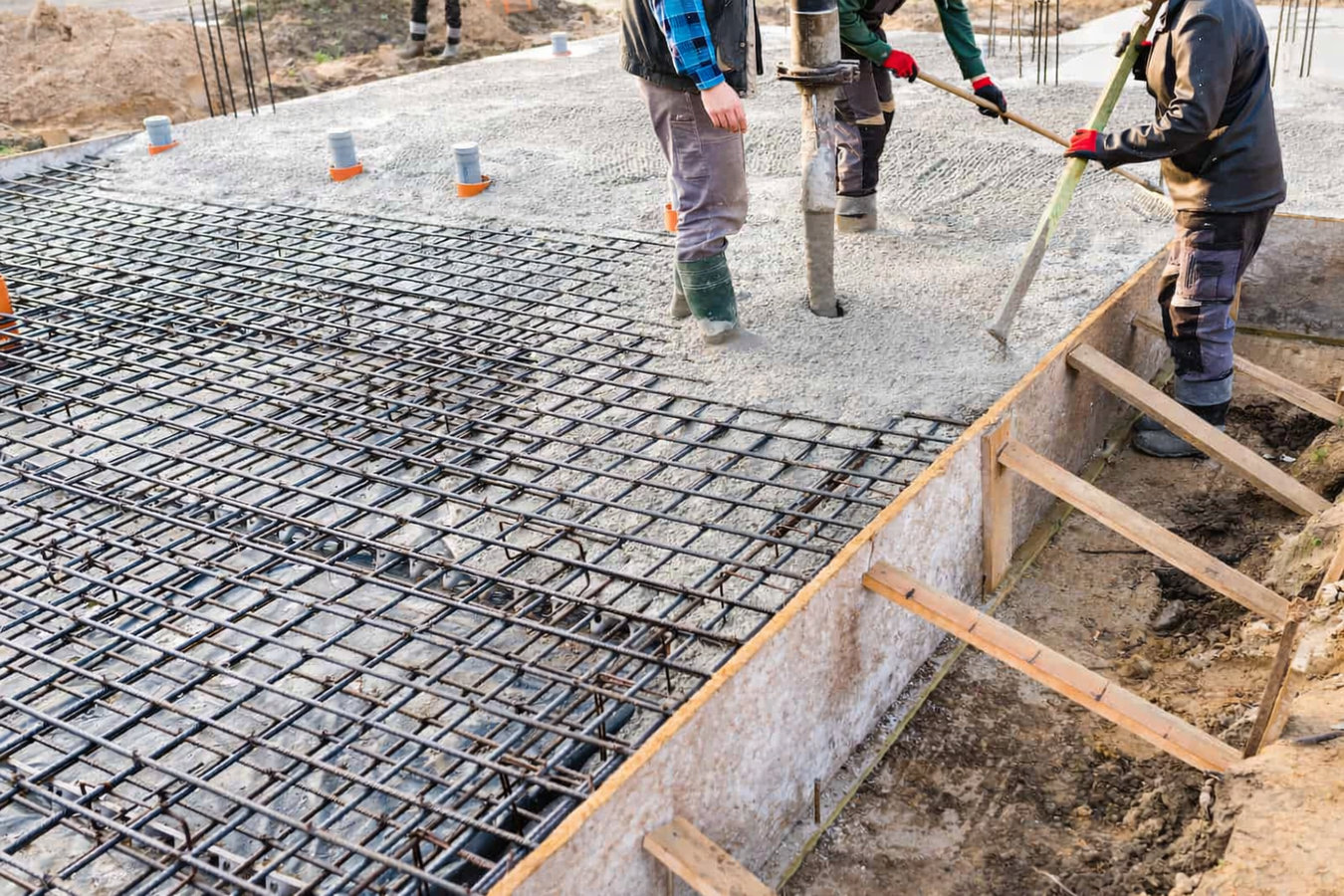
A large share of Riverside homes were built in the 1950s through 1970s on concrete slab foundations that have been through decades of clay soil movement, 100-degree summers, and seismic activity near the San Jacinto and San Andreas fault systems. When a foundation is beyond repair, replacement has to be designed for Riverside's specific soil and seismic conditions - not a generic Southern California spec. See our foundation installation service for the full process, from site assessment through permit sign-off.
Riverside homeowners adding an ADU, detached garage, or outbuilding need a slab designed for the clay soil and seismic requirements that apply in this city. The City of Riverside Building and Safety Division requires inspections at multiple stages, and a contractor who knows that process keeps the project from stalling during review.
Many Riverside driveways in the postwar ranch home neighborhoods date to the 1950s and 1960s and are well past their service life. Clay soil movement and UV exposure are the two factors that determine how quickly a cracked driveway goes from patchable to replacement territory - and in Riverside's heat, that transition happens faster than homeowners usually expect.
Riverside averages around 287 sunny days per year, making a backyard patio one of the most useful improvements a homeowner can make. We pour patios with the correct drainage slope for Riverside's short, heavy winter rain events - a detail that keeps water moving away from the foundation rather than pooling against it.
Homes in the hillside neighborhoods of Riverside - particularly near Mount Rubidoux and the older hillside streets west of downtown - deal with slope-related drainage and erosion that flat-lot properties do not. A reinforced concrete retaining wall holds those grades in place and prevents the kind of soil movement that damages adjacent concrete flatwork.
Footing depth and rebar placement in Riverside have to account for both the clay soil movement and the seismic loads from the nearby fault systems. A footing sized for a different region's soil profile will shift under Riverside conditions - proper sizing to your specific lot is what keeps the structure above it stable for decades.
Riverside is one of the larger cities in the Inland Empire, with about 320,000 residents and a housing stock that spans more than a century of residential development. That range creates a wide variety of concrete conditions across the city. Homes near downtown - the Wood Streets neighborhood, the Spanish Colonial Revival blocks around the Mission Inn, the early bungalow streets near UC Riverside - were built before modern soil engineering and seismic codes existed. Their foundations, driveways, and flatwork have been through decades of clay soil cycling, Santa Ana wind events, and ground movement near the San Jacinto and San Andreas fault systems. The accumulated stress shows up as cracked walls, heaved driveways, and foundations that no longer sit level under the structure they are supposed to carry.
The postwar neighborhoods - La Sierra, Orangecrest, and the ranch home tracts built from the 1950s through the 1970s - present a different version of the same problem. Those homes are on slab foundations that were poured to the standards of their era, which are well below what California's current building code requires for seismic resistance and clay soil conditions. As those slabs age through the thermal cycling that comes with Riverside's 100-degree summers and mild but sometimes frosty winters, small cracks become larger ones and repairs stop holding. A concrete contractor working in Riverside needs to understand the age of the structure, the soil conditions on the specific lot, and the permit and inspection requirements that the City of Riverside applies - all of which vary by neighborhood and project type.
We pull permits through the City of Riverside Building and Safety Division for foundation and flatwork projects that require city review, and we are familiar with the inspection sequence that Riverside requires for foundation work. Riverside is the county seat and one of the larger municipalities in the region - its building department has its own review timelines and standards, and knowing those details keeps projects from sitting in a hold status after work has already begun.
We work across all of Riverside - from the historic neighborhoods near the Mission Inn and UC Riverside to the newer subdivisions in Orangecrest and the hillside properties near Mount Rubidoux. Central Riverside's older streets often have original concrete from the 1950s and 1960s, which means demo and base evaluation come before anything else. The outer neighborhoods built in the 1980s and 1990s are generally in better structural shape but still deal with the same clay soil expansion that affects everything in the Inland Empire.
Our work extends into neighboring cities regularly. We serve Moreno Valley, which sits directly to the southeast and has a large concentration of 1980s and 1990s tract homes where foundation and driveway work comes up frequently. We also serve Corona, which borders Riverside to the south and has its own mix of newer subdivisions and hillside properties with concrete repair and retaining wall needs.
We respond within 1 business day. A brief call covers your project type and property location, then we schedule a free on-site visit - most Riverside homeowners do not need to be present for the entire estimate, just available for a quick walkthrough.
We assess the soil conditions, evaluate the existing concrete or foundation, and discuss what the project involves. You receive a written, itemized estimate covering demolition, base prep, reinforcement, the pour, and any permit fees - all on one document before you commit.
We handle the permit application with the City of Riverside Building and Safety Division, schedule the pour for early morning during hot months, and coordinate the required city inspections. Foundation projects typically take two to five days of active work after permit approval.
City inspection sign-off is the last step before the project closes. We provide you with a copy of the final permit sign-off and care instructions - so you have documentation that the work was done to current California standards.
We serve all of Riverside - from the Wood Streets near downtown to Orangecrest and La Sierra. Call or submit a request and we will respond within 1 business day.
(909) 679-6575Riverside is the seat of Riverside County and one of the oldest cities in Southern California, founded in the 1870s during the citrus industry boom that shaped the entire Inland Empire. The city grew steadily through the first half of the 20th century, adding the distinctive Spanish Colonial Revival and Craftsman homes that still define the neighborhoods near downtown - the Wood Streets neighborhood being the most recognized example. The Mission Inn Hotel, a century-old landmark visible from much of downtown, and UC Riverside, one of the city's largest employers, anchor the central core. Postwar growth filled in the surrounding flatlands with ranch homes through the 1960s and 1970s, and the 1980s and 1990s brought larger subdivisions to the eastern and southern neighborhoods. More information about the city is available at the Riverside Wikipedia article.
About 54 percent of Riverside homes are owner-occupied, and the median home value sits around $480,000 - numbers that reflect a city of long-term residents who invest in their properties. The housing stock spans such a wide range of eras that concrete conditions vary significantly from one neighborhood to the next: early 20th-century homes near downtown may have never had their original concrete work touched, while 1990s subdivisions in the Moreno Valley corridor deal primarily with clay soil movement on newer slabs. We also regularly serve homeowners in Colton to the north, where the same soil and seismic conditions apply to a similarly diverse housing stock.
Durable, expertly poured driveways built to last in Colton and the surrounding area.
Learn moreCustom concrete patios that extend your outdoor living space with lasting style.
Learn moreDecorative stamped concrete that mimics stone, brick, or wood at a fraction of the cost.
Learn moreSafe, code-compliant concrete sidewalks installed for residential and commercial properties.
Learn moreStrong, smooth garage floors designed to handle heavy loads and daily use.
Learn moreBeautiful decorative finishes that elevate any concrete surface indoors or out.
Learn moreStructural retaining walls built to hold soil, manage grades, and enhance curb appeal.
Learn moreProfessional concrete floor installation for homes, garages, and commercial spaces.
Learn moreSlip-resistant, attractive pool deck surfaces built for safety and Southern California weather.
Learn moreSturdy, well-finished concrete steps and stoops that welcome visitors to your property.
Learn moreProperly engineered slab foundations that provide a solid base for any structure.
Learn moreComplete foundation installation services for new construction and additions.
Learn moreCommercial-grade concrete parking lots built for high-traffic durability.
Learn morePrecision concrete footings that support walls, columns, and structural loads.
Learn moreFoundation raising and leveling solutions to restore structural integrity.
Learn moreClean, accurate concrete cutting for repairs, modifications, and new installations.
Learn moreWhether your project is near downtown, in the Wood Streets, or out in Orangecrest, call now or submit a request online - we respond within 1 business day and provide a written estimate after visiting your property.