Loading…
Serving Colton, CA and surrounding areas. (909) 679-6575
Building something new in Colton? We pour slab foundations designed for clay soil and seismic conditions, pull the city permit, and handle every inspection so your project starts on solid ground.
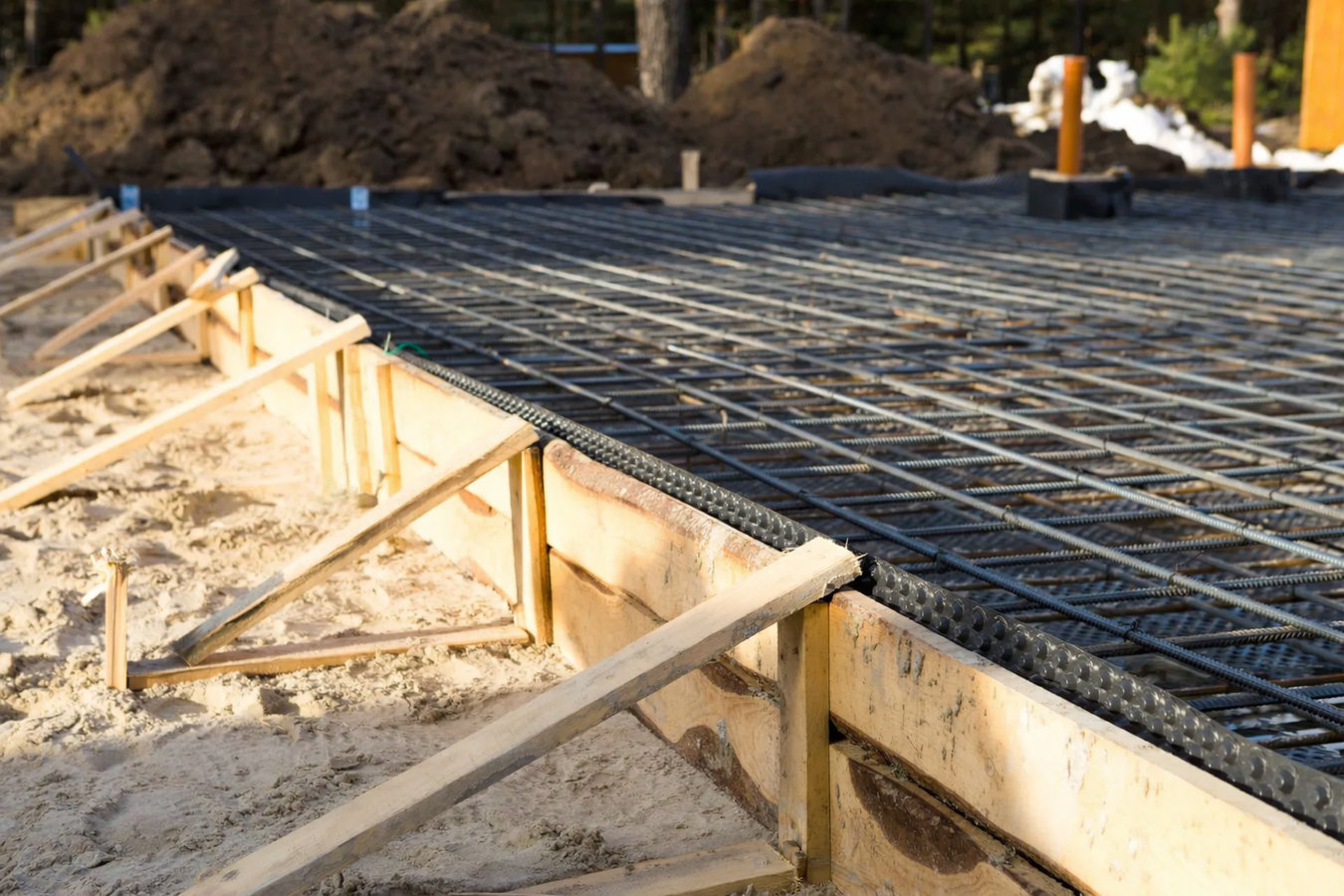
Slab foundation building in Colton means pouring a reinforced concrete base directly on prepared ground that serves as both the structural floor and the foundation of your home or new structure - most residential jobs take two to four days of active work, followed by a city inspection and a curing period before framing begins. Colton Concrete Company handles site grading, the gravel and moisture barrier, steel rebar placement, the permit application with the City of Colton Building and Safety Division, and the pour itself, so you have one point of contact from the first shovel to the final sign-off.
Slab foundations are the most common foundation type in Southern California, and Colton is no exception. The climate makes a deep basement unnecessary, and a properly built slab keeps construction efficient and cost-effective for most residential projects. Whether you are building a new home, an accessory dwelling unit, a garage, or an addition, the foundation is the first and most critical step - everything built on top of it depends on how well the slab was designed and poured. For projects that also require footings or grade beams, we coordinate that work naturally with our concrete footings service to keep the scope in one place.
Many Colton homeowners are navigating the permit process for the first time, especially with the recent ADU construction wave across the Inland Empire. It can feel like a lot to manage on top of coordinating a build. Our job is to make the foundation portion predictable - you know the cost upfront, the city inspection happens on schedule, and you can hand off a properly permitted slab to your builder without worrying about what was done underneath.
The clearest sign is that you are planning to build something new - an ADU, a detached garage, an addition, or a new home - and there is no existing foundation where the structure will sit. In Colton, the city requires a permitted slab before any framing begins on a new structure. If you have plans drawn up or are working with a builder, the foundation conversation needs to happen first.
Diagonal cracks running from the corners of door frames or windows down toward the floor mean the ground underneath your existing slab has shifted. Colton's clay-heavy soils expand and contract with every wet season and dry summer, and slabs built without adequate reinforcement or on improperly compacted soil are especially vulnerable. A crack wide enough to fit a quarter is worth having evaluated before it becomes a structural issue.
When the ground moves under a slab, the slab can tilt or flex slightly - and that movement travels up into your walls and frames. If doors that swung freely now drag on the floor or stick at the top, or if you see gaps forming between walls and ceilings, the foundation beneath that part of the house may be shifting. This symptom is especially common in older Colton homes after a wet winter followed by a dry summer.
Some older Colton properties have detached garages, sheds, or outbuildings that were built on bare ground or a thin concrete pad never designed for a living space. If you are converting one of these into a room, office, or ADU, the city will require a proper foundation as part of the permit. A concrete contractor can assess what is there now and tell you exactly what is needed to meet current standards.
We build slab foundations for residential construction throughout Colton and the surrounding Inland Empire - new homes, ADUs, garages, additions, and any structure that needs a properly permitted, inspected concrete base. Every project starts with a site visit to assess your soil conditions, measure the footprint, and identify any drainage or access issues that affect the design. We apply for the building permit through the City of Colton Building and Safety Division before any ground is broken, schedule the required pre-pour inspection, and give you a copy of the final city sign-off when the work is complete. Colton's proximity to the San Jacinto Fault means seismic reinforcement is not optional - every slab we pour includes properly spaced rebar, anchor bolt placement for wall attachment, and the edge beam depth the soil and load conditions require. For projects that involve underground plumbing, we coordinate the pour schedule with your plumber to make sure the pipes are set and inspected before the concrete goes in, because accessing them later means cutting through the slab. We also provide concrete footings as a companion service when the project calls for isolated point loads or grade beams at specific locations.
Hot-weather pours are a real consideration in Colton. Summer temperatures routinely exceed 100 degrees, and concrete that dries too fast before it has cured can develop surface cracks and lose long-term strength. We schedule summer pours for early morning and apply curing compounds to slow the evaporation rate - a step that many contractors skip but that makes a meaningful difference in the finished slab. For homeowners who are simultaneously replacing an existing structure and building new, we can pair slab foundation work with foundation installation services on the same visit. The Portland Cement Association and the American Concrete Institute publish the concrete design standards we follow on every pour.
A full slab pour for a new home, ADU, or addition - sized, reinforced, and permitted to meet Colton's building and seismic requirements.
Foundation pours for detached garages, workshops, and accessory structures - including permit coordination and proper drainage grading.
Slab foundations for accessory dwelling units built to California ADU standards, coordinated with plumbing rough-in and city inspection schedules.
Colton sits in one of the more demanding environments for concrete foundation work in Southern California. The clay-heavy soils throughout the Inland Empire swell with winter rainfall and then contract during the long dry summer - a cycle that repeats every year and puts steady pressure on any concrete slab from below. Foundations built without a proper soil assessment, a compacted gravel base, and the right rebar spacing simply do not stay level here. The seismic factor compounds the challenge. Colton is close to the San Jacinto Fault system, and California's building code requires foundations in this zone to be designed with earthquake forces in mind - more steel, specific anchor hardware, and in some cases deeper footings than lower-risk regions require. Both factors together mean slab design in Colton cannot be one-size-fits-all. Homeowners in Moreno Valley and Riverside face similar soil and seismic conditions, and we bring that same site-specific approach to every project we take on across the region.
The City of Colton has been actively supporting new residential construction and ADU development in recent years, which means the Building and Safety Division is processing a high volume of permit applications. Booking a contractor and getting the permit application in early - especially for spring or fall pours, when conditions are most favorable - is the most effective way to avoid a scheduling bottleneck. We submit permit applications as part of our standard project process, keep you updated on approval status, and do not start any ground work until the permit is in hand.
We visit your property within a business day or two to assess your soil, lot slope, and equipment access before giving you a written, itemized price. Phone estimates are not reliable for foundation work - the conditions on your specific lot matter too much.
We apply to the City of Colton Building and Safety Division on your behalf before any work begins. Permit approval typically takes one to three weeks. We keep you updated so the wait does not catch you off guard.
We grade, compact, and lay the gravel base and moisture barrier, then set the rebar grid and forms. A city inspector checks the reinforcement and ground preparation before the concrete truck arrives - this is the checkpoint that matters most.
Concrete is placed early morning during warm months, curing compound is applied, and you can walk the slab within 24 to 48 hours. Framing can typically begin after about a week. We provide your copy of the final city sign-off when the project closes.
We provide a written, itemized estimate before any work begins. No surprise charges, no pressure. We reply within 1 business day.
(909) 679-6575We apply for the City of Colton building permit, coordinate the required pre-pour and final inspections, and give you a copy of the signed-off documentation when the project is complete. You never have to navigate the Building and Safety Division on your own.
Before we design your slab, we evaluate the soil conditions on your specific lot. The clay content and moisture levels vary block to block in Colton, and the right gravel depth, slab thickness, and rebar spacing depends on what is actually under your property - not a generic spec.
We work throughout Colton and across all 12 of our service areas in the Inland Empire, which means we know how permit timelines, soil types, and construction conditions vary from one city to the next. That regional experience informs how we approach every foundation project. The{' '}California Geological Survey publishes seismic and soil data we use to calibrate foundation designs across the region.
Summer pours in Colton are not optional to avoid - sometimes the schedule does not allow a fall booking. We have a consistent process for early-morning scheduling, mix adjustments, and curing compound application that protects the slab quality even when temperatures are pushing past 100 degrees.
Every slab foundation we pour in Colton is backed by proper permitting, a seismic-rated rebar design, and the kind of hot-weather pour management that this region actually requires. When you hand the foundation off to your builder, it is permitted, inspected, and ready for whatever comes next.
Full foundation installation for homes and structures - including raised foundations, replacement work, and projects requiring significant excavation.
Learn moreIsolated footings and grade beams that carry point loads and column connections - often poured as part of a larger slab project.
Learn moreSpring and fall booking slots fill quickly. Lock in your project date now so your pour happens in the most favorable concrete weather Colton offers.