Loading…
Serving Colton, CA and surrounding areas. (909) 679-6575
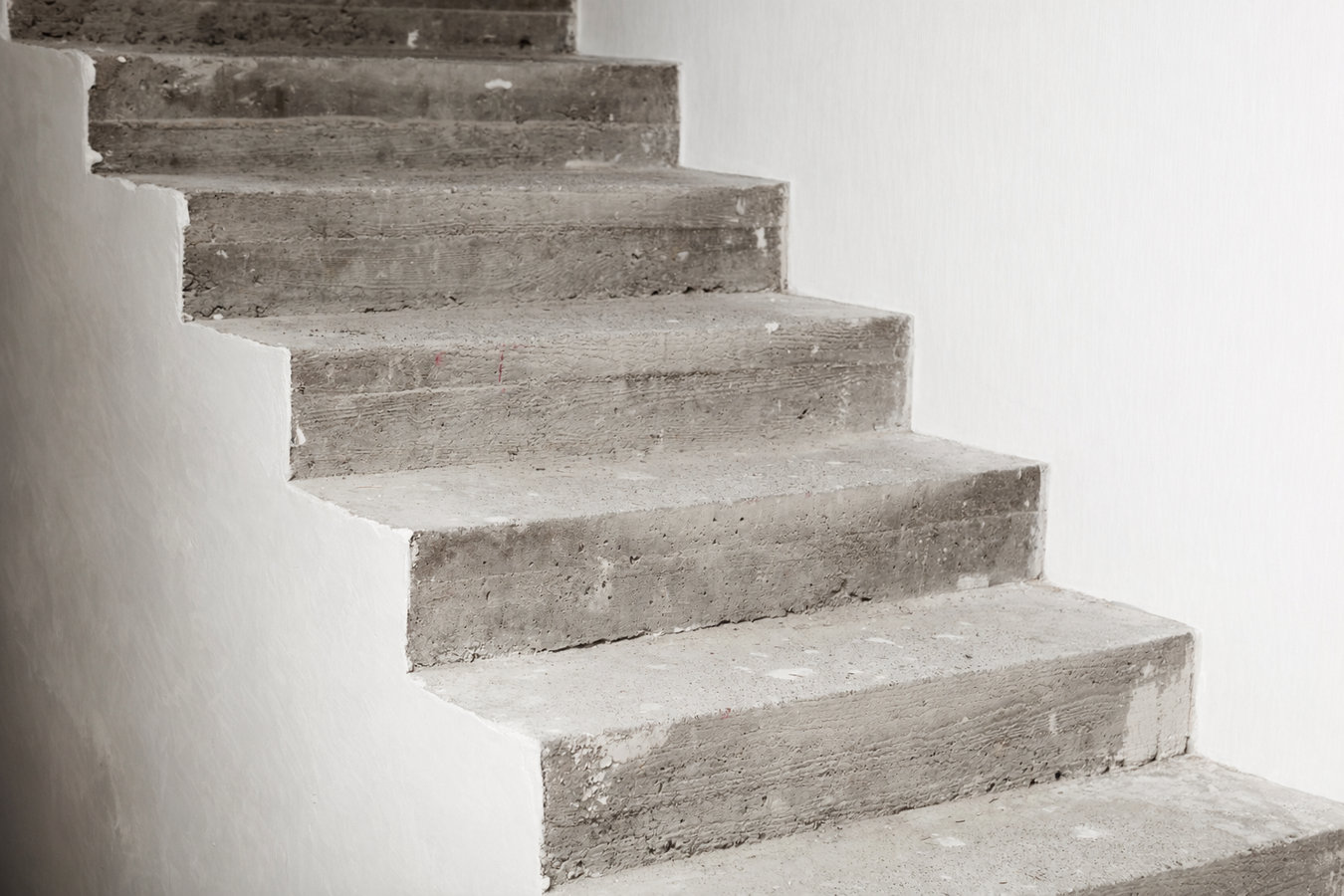
Cracked steps, a gap at the front door, or a surface that crumbles underfoot? We build concrete steps in Colton to stay level and pass inspection even as the ground shifts underneath.
Concrete steps construction in Colton means building or replacing a permanent staircase at your front door, back entry, or garage - most residential jobs take one to three days from demo to finished pour, with light foot traffic possible 24 to 48 hours after the concrete is placed. Colton Concrete Company handles the permit application through the City of Colton, site demolition, base preparation, the pour, and the finish so you get steps that are safe, level, and on record with the city.
Many Colton homes were built between the 1950s and 1980s, and the original front steps on those properties are often at or past the end of their useful life. Surface flaking, cracked edges, and a growing gap where the steps meet the foundation are all signs that patching will not solve the underlying problem. Colton's clay soil shifts with every wet season and dry summer, and steps built without proper steel reinforcement and a compacted base will keep moving no matter how many times you fill the cracks. For homeowners who are also regrading their yard or building a new outdoor feature, combining step construction with slab foundation building or concrete retaining walls in a single project visit reduces cost and limits the time your entry is out of commission.
Your front steps are the most-used piece of concrete on your property. They take daily foot traffic, morning dew, occasional rain, and the full force of Colton's summer sun. Getting them built right the first time - with the right base, the right reinforcement, and the right finish - means you are not calling for repairs again in three years.
Cracks wider than a hairline - especially ones that cross an entire tread or run down the side of a step - mean the structural integrity of the staircase is compromised. In Colton, these cracks are usually caused by the soil underneath expanding and contracting with the seasons, and they tend to get worse rather than staying the same. Once a crack is wide enough to catch a toe or let water in, replacement is the right answer.
A visible gap between your steps and the front of your home, or steps that look like they are leaning to one side, means the base underneath has moved. This is a common result of Colton's expansive clay soils and is a safety hazard - a tilted step is much easier to trip on at night or in wet conditions. Filling the gap with caulk is a cosmetic fix that does nothing to stop the movement.
When the top layer of concrete starts to peel off in thin chips or flakes, leaving rough pitted patches where the surface used to be smooth, the concrete is deteriorating from the inside out. Once this process starts it accelerates - and a crumbling surface creates both a tripping hazard and an eyesore at the most visible part of your home's exterior.
If your steps feel like they flex slightly when you walk on them, or you hear a hollow sound when you tap on the concrete, the slab has likely separated from the fill material underneath. This is more common in older Colton homes where the original steps were poured over soil that has since settled or washed away. A step that feels hollow is one that could crack or collapse under weight.
We build new concrete steps and replace existing ones for front entries, back patios, garage thresholds, and side yards throughout Colton and the surrounding Inland Empire. Every project starts with a free on-site visit to measure the opening, check the condition of the existing foundation, and confirm what the grade looks like around the base of the steps. For most jobs in Colton, we apply for a building permit through the City of Colton's Building and Safety Division before work begins - it adds a few days to the timeline but means the finished steps are inspected and on record. Steel reinforcing bar goes inside every form before the pour, which is the most important thing we can do in this region to make sure your steps stay level when the ground shifts. If your project involves connecting multiple levels of a terraced yard, we pair step construction naturally with slab foundation building to make sure the surface connecting to the steps is built to the same standard.
Surface finish is more than a cosmetic choice - it is a safety decision. A smooth finish looks polished but becomes slippery when wet, which is a real issue on a front porch that collects morning dew or occasional rain. A broom finish adds grip at almost no extra cost and is the most common choice for residential steps in the Inland Empire. Stamped and decorative finishes are available for homeowners who want something with more visual character. We also build step systems that connect to a new or existing concrete retaining wall when the yard has a grade change at the entry. The City of Colton Building and Safety Division handles permit review for structural concrete attached to homes, and the Portland Cement Association publishes the construction standards we follow for residential step work.
Replacement or new construction at your main entry - the most visible concrete on your property and the most likely to show soil movement over time.
Steps connecting your home to a rear patio, garage threshold, or side entry - built to the same standard as front steps with proper drainage at the base.
Stair runs connecting terraced yard levels or connecting a retaining wall to an outdoor patio - sized and reinforced for the specific grade change.
Colton's housing stock skews older - many homes were built in the 1950s through 1980s, which means a large share of front steps across the city have never been replaced. Original concrete from that era is well past its typical service life and frequently shows the combination of surface flaking, shifted footings, and gaps at the foundation that signal a full replacement is overdue. The soil those steps sit on is part of the problem. The Inland Empire's clay-heavy ground swells with winter rain and contracts in the dry summer heat, and that repeated movement puts steady stress on the footing underneath. Steps built without adequate reinforcement and a properly compacted base simply cannot stay level in those conditions. Colton also sits in an active seismic zone near several fault systems, and even minor earthquakes can widen existing cracks or push a poorly anchored staircase away from the foundation wall. Proper steel reinforcement inside the concrete matters for both soil movement and seismic loads.
We work throughout Colton and into neighboring communities including Rialto and San Bernardino, where the same soil conditions and seismic considerations apply to step construction. Contractors who work throughout Southern California without knowing this region sometimes skip the base compaction step or undersize the reinforcement because it saves time. We have seen the results - steps that look fine the day they are finished and start tilting within two seasons. We build for where these steps are actually going.
We respond within 1 business day. A few questions about your current steps, how many you need, and your entry setup - then we schedule a free on-site visit to measure and give you an accurate written quote.
For most full replacements in Colton, we apply for a building permit through the City of Colton before work starts. This typically adds a few days to a week before the crew can begin, but means your steps will be inspected and on record.
Old steps are broken up and hauled away on day one. The base is dug to a stable depth, compacted, and sometimes given a gravel layer for drainage - especially important in Colton's clay soil. The pour and finish happen in a single day, with early morning starts during summer heat.
You can walk lightly on the steps 24 to 48 hours after the pour. If a permit was pulled, a city inspector visits to confirm the steps meet safety requirements before the job closes out. We walk the finished work with you before we leave the site.
Written quote, no pressure. We pull the permit and handle the city inspection process for you.
(909) 679-6575Rebar goes inside every form we build before the concrete is poured - not as an upgrade, but as a standard part of the job. In Colton's expansive clay soil and active seismic zone, reinforcement is what keeps steps anchored to the foundation and level through years of ground movement. Steps without it start shifting the first time the soil swells after a wet winter.
We apply for the required City of Colton building permit before any work begins and coordinate the final inspection so the job closes out correctly. Permitted steps are on record with the city, which protects you if you ever sell your home or file an insurance claim. If a contractor suggests skipping the permit, it is worth asking the city directly whether one is required. Verify contractor licenses at the{' '}<a href='https://www.cslb.ca.gov' target='_blank' rel='noopener noreferrer' className='text-primary underline underline-offset-2'>California Contractors State License Board</a>.
We work across 12 communities in the Inland Empire, which means we understand Colton's specific permit process, soil conditions, and hot-weather pour requirements from direct experience - not from reading about them. That local depth means fewer surprises on your project and faster permit navigation than contractors who do not regularly work in this area.
Colton summers routinely push above 100 degrees, and concrete poured in extreme heat without the right precautions cracks before it ever reaches full strength. We schedule summer pours for early morning and use techniques to slow the curing process in high heat. That discipline is built into how we operate in this climate - not something we do only when asked.
Every concrete step project we complete in Colton is built for the soil, the climate, and the permit requirements of this specific city. That is what separates steps that hold up for decades from steps that start cracking the first time the ground shifts.
When your new steps need a properly prepared slab to land on, slab work and step construction go together to make sure both surfaces are level and structurally sound.
Learn moreSteps that connect terraced yard levels pair with retaining walls to create a complete grade-change solution - coordinating both in one project keeps the timeline tight.
Learn moreCracked or shifting steps become a safety hazard fast - reach out now and we will schedule your free on-site visit within 1 business day.