Loading…
Serving Colton, CA and surrounding areas. (909) 679-6575
Your home stands on what we pour. We install foundations in Colton built for clay soil and seismic zones, handle every city permit and inspection, and give you the documentation your project needs to move forward.
Foundation installation in Colton covers the full process of putting a concrete base under a new or existing structure - including excavation, soil preparation, rebar placement, the concrete pour, and city inspection sign-off. Most straightforward residential foundation installations take two to five days of active work, with a full timeline of four to eight weeks once you factor in permit approval through the City of Colton. Colton Concrete Company manages the permit application, coordinates the required inspections, and delivers the final documentation you need to build on top of the work with confidence.
Foundation installation in this part of the Inland Empire requires more planning than in many other regions. The clay-heavy soils throughout Colton shift with seasonal moisture changes, and the area sits in an active seismic zone near the San Jacinto Fault system. Both factors affect how a foundation must be designed - the depth of the footings, the amount of steel reinforcement, and how the foundation connects to the structure above it. Contractors who skip the soil assessment or cut corners on rebar are setting the homeowner up for cracked walls and stuck doors within a few years. For homeowners who are pouring a brand-new base, our slab foundation building service covers new residential slabs start to finish.
Colton has a significant share of homes built in the 1950s through 1970s, many of which have foundations designed to standards that predate today's seismic requirements. If you are replacing an older foundation or upgrading one that is showing signs of failure, the work involves more than just pouring new concrete - it requires assessing what needs to be brought up to current code and coordinating that with the city before the permit is issued.
Diagonal cracks running from the corners of door frames or windows, or cracks spreading across a concrete floor, are a sign the foundation may be shifting or settling unevenly. In Colton, these cracks often appear or worsen after a wet winter followed by a dry summer, because the clay-heavy soil swells and contracts with the seasons. A crack you can fit a quarter into is wide enough to warrant a professional evaluation.
When a foundation moves, the frame of the house moves with it - and that shows up first in your doors and windows. A door that used to swing freely now drags on the floor, or a window that opened easily now sticks at the top. This is especially common in older Colton homes after a significant rain event or a long dry stretch that follows one.
If you can see a gap where the wall meets the ceiling or the floor that was not there before, or if baseboards have pulled away from the wall, the structure is moving. This kind of movement means the foundation below that section of the house is no longer holding steady - and catching it early limits how much damage travels up into the frame.
Colton gets most of its rain in short, intense bursts between November and March. If water consistently pools against the side of your house after a storm rather than draining away, it is soaking into the soil right next to your foundation. Over time, that repeated wetting and drying accelerates the damage that Colton's expansive soils can cause and is a signal that foundation drainage may need attention before a bigger problem develops.
We install foundations for new residential construction, structure replacements, and accessory dwelling units throughout Colton and the surrounding Inland Empire. Every project starts with a property visit to evaluate soil conditions, lot slope, drainage, and equipment access before we quote the job - because foundation pricing in this region depends heavily on what is actually underneath your specific property. We apply for the City of Colton building permit, coordinate inspections with the Community Development Department at each required stage, and do not break ground until the permit is in hand. Steel reinforcement design accounts for both the load the structure will carry and the seismic requirements for this zone - the depth of your footings and the spacing of your rebar are not guesses based on a standard spec, they are calculated for your project. For projects that combine a new foundation with other flatwork, we naturally connect this scope to our concrete parking lot building service when the site involves commercial or multi-unit development.
Older foundations on 1950s-through-1970s Colton homes sometimes present structural issues that require assessment before a new pour can proceed. If you are replacing an existing foundation rather than starting fresh, we identify what needs to be addressed to meet current code and include that scope in the written estimate so there are no surprises mid-project. For homeowners dealing with grade changes or soil stabilization needs around the foundation perimeter, we pair foundation installation work with slab foundation building when the scope calls for both. The California Geological Survey publishes seismic hazard zone maps we reference when designing foundations in the Colton area, and the American Society of Concrete Contractors provides the professional standards we follow on every pour.
Full installation for new homes, additions, and structures - excavation through final city sign-off, with seismic reinforcement designed for Colton's zone.
Removal of an existing failing foundation and full reinstallation to current code - including assessment of any framing or structural elements affected by the old foundation's condition.
Foundations for detached ADUs, garages, and accessory structures - coordinated with plumbing rough-in and sized to meet California ADU permitting requirements.
Colton's combination of expansive clay soils and seismic exposure puts foundation installation in a different category than work done in more stable or lower-risk regions. The clay soil throughout the Inland Empire absorbs water during wet winters and shrinks during long dry summers - and that movement happens every single year. Foundations that were not designed with that cycle in mind develop cracks, shift out of level, and transfer that movement up into the walls and frames of the homes above them. Add the seismic requirements tied to Colton's proximity to the San Jacinto Fault, and it becomes clear why foundation work here requires more planning, more steel, and more attention at the permit and inspection stage than a contractor working in a different climate or geology might be used to. Homeowners in Riverside and San Bernardino face closely related soil and seismic conditions, and we bring the same site-specific approach to those areas as we do to every project in Colton.
The City of Colton Community Development Department processes a meaningful volume of permit applications for foundation and ADU work as new residential construction continues across the city. Getting your permit application in early - especially if you are targeting a spring or fall pour, when concrete cures most favorably in this climate - reduces the risk of a scheduling gap between permit approval and your contractor start date. We submit permit applications as a standard part of our project process, follow up directly with the department, and build the approval wait into your timeline estimate from the first conversation.
We schedule a property visit within one business day of your call to assess your soil, slope, drainage, and access before giving you a written, itemized price. Every line covers labor, materials, permit fees, and site cleanup - no open-ended costs.
We apply to the City of Colton Community Development Department before any work begins. Permit approval typically takes one to three weeks. We update you on status and keep the schedule moving.
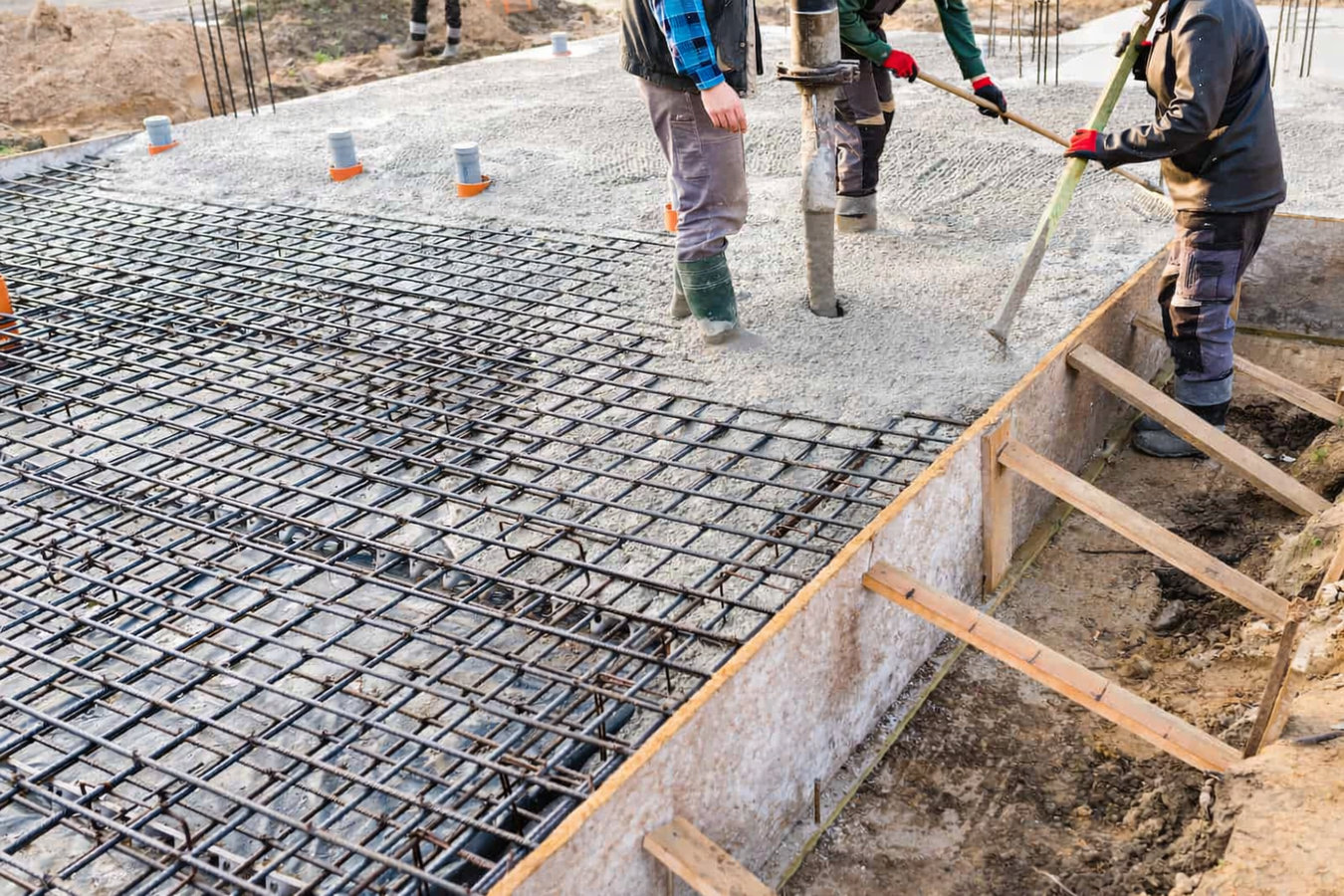
Once permitted, we excavate, grade, and compact the soil, then set the forms and rebar grid. A city inspector visits at this stage to verify the reinforcement meets required standards before the pour proceeds.
Concrete is placed early morning in warm months to manage Colton's heat. Curing compound is applied immediately. The finished foundation is walkable in 24 to 48 hours and ready for framing in about a week. You receive the city sign-off documentation at close of project.
Free written estimate, no obligation. We reply within 1 business day and handle the full permit process from application to final sign-off.
(909) 679-6575We submit the permit application to the City of Colton Community Development Department, schedule each required inspection, and hand you a copy of the final sign-off when the project closes. You never have to deal with the building department on your own.
Colton sits near the San Jacinto Fault, and foundations here must meet California's earthquake design requirements. Every foundation we install includes the rebar spacing, footing depth, and anchor bolt placement that the city inspector will verify - not a minimum-spec shortcut.
Colton's clay content varies from lot to lot, and the right foundation design depends on what is actually under your property. We evaluate your specific lot conditions before finalizing a quote - so your footing depth and rebar quantity are based on real data from your address, not a generic assumption.
We have installed foundations across all 12 of our service areas throughout the Inland Empire. That regional volume means we understand how permit timelines, soil profiles, and seismic conditions vary from Colton to the surrounding cities - and we apply that experience to every job. The California Geological Survey's seismic and soil data is one reference we use to calibrate designs across the region.
Foundation installation in Colton is not a job to hand to the lowest bidder without asking the right questions. Every foundation we install is permitted, inspected, and designed for the soil and seismic conditions that are specific to this part of the Inland Empire - so the structure you build on top of it has a base that will last.
Concrete parking lots and commercial flatwork built on properly prepared subgrade - a natural companion to foundation projects on commercial or multi-unit sites.
Learn moreNew residential slab pours from site prep to city sign-off - for homeowners starting a new build, ADU, or garage on a fresh footprint.
Learn morePermit wait times in Colton grow as construction activity increases - getting your application in early keeps your project on schedule and your pour in the best seasonal window.